
About me
Hello there and welcome to my food blog
My name’s Karel, I’m 17 years old and I live in Belgium. I’m currently in secondary at Kindsheid Jesu in Hasselt, studying Maths and Sciences.
For English class I’ve been assigned to make a food blog , I’ve never made a blog before, so this is all new for me. In this blog I write about awesome cooking techniques, unusual but succulent food products, inspiring dishes and more.
I wish you a happy reading experience and I hope I can inspire you.
My favourite restaurant
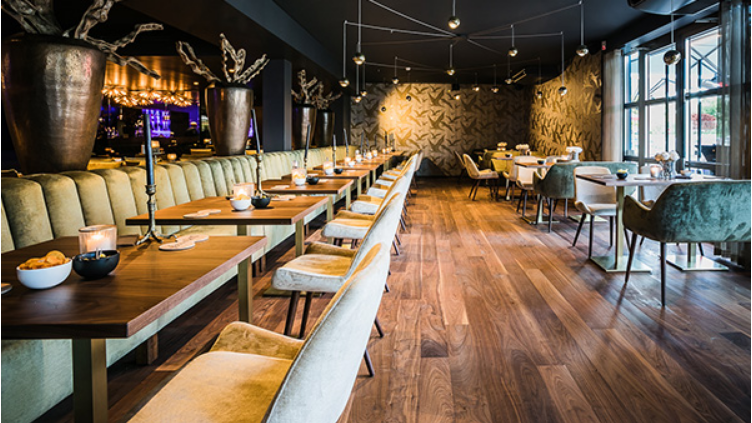
My favourite restaurant is “The fifth avenue” in Hasselt. I find the restaurant itself very stylish, quite posh yet very comfortable and cosy. The waiters are very polite and they are no amateurs. They will serve you rather quickly but they don’t rush it, which is good. I find that a lot of restaurant have something disturbing, some have music too loud, some aren’t fun to sit in, some have bad or impolite waiters and some just have bad food. But I don’t have any complaints about this restaurant, it’s one of the only restaurants that I still think are good. The prices are not too high and it’s definitely worth it; The food is just really good, especially the fish.
My favourite dish
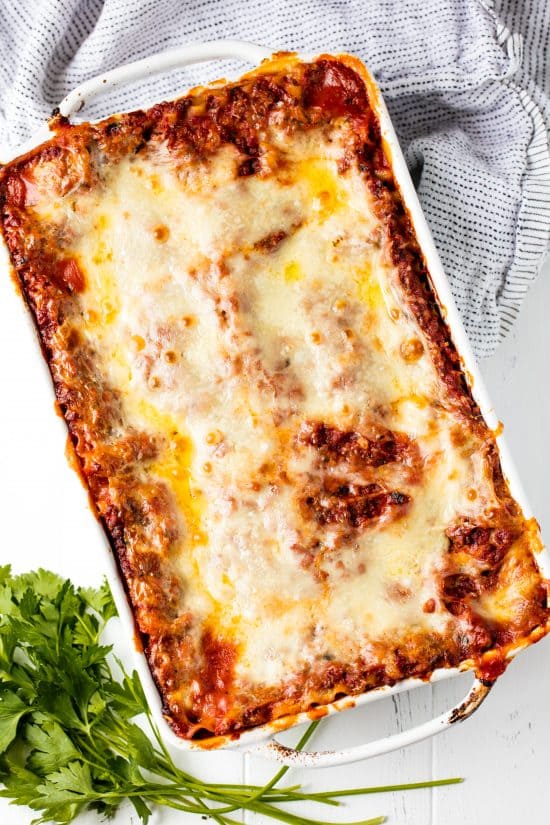
If I had to choose one dish that I’d have to eat for the rest of my life that would easily be lasagne. Lasagne bolognese is an Italian dish with pasta. When I go to a restaurant, more often than not I eat Lasagne. There’s nothing better than a good lasagne in my opinion.
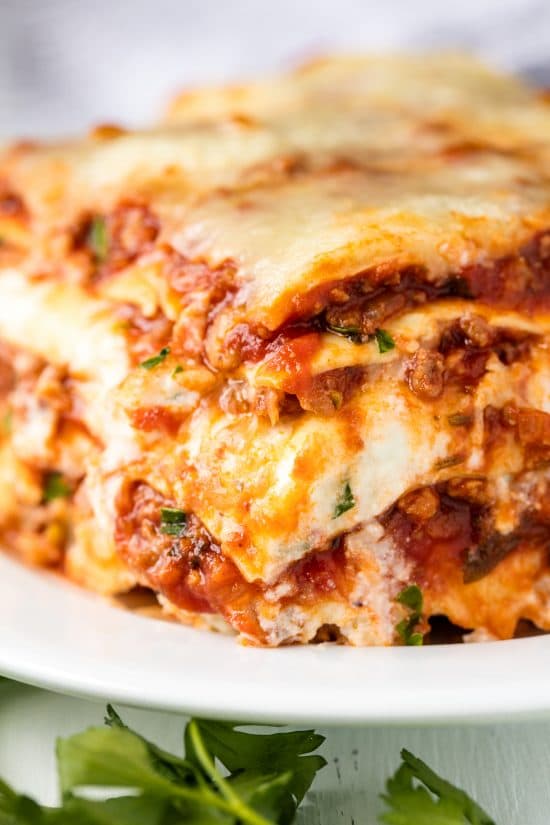
It’s not very difficult to make it, however, it costs relatively much time and you will need to experiment to find the balance between layers of cheese, lasagne sheets and bolognese sauce. I highly recommend you to try it if you haven’t already. Here is the recipe, if you want to make it yourself.
Ingredients
For 8 servings:
- 500 g sweet italian sausage
- 500 g lean ground beef
- 1 large white onion (minced)
- 5 cloves garlic ( crushed)
- 1 850 ml can crushed tomatoes
- 2 200 ml cans tomato paste
- 1 500 ml can tomato sauce
- 120 cup chicken broth
- 2 tablespoons white sugar
- 12 g chopped fresh basil
- 1 teaspoon fennel seeds
- 1 teaspoon ground oregano
- 1/2 teaspoon salt
- 1/4 teaspoon ground black pepper
- 15 g chopped fresh parsley (divided)
- 500 g lasagne sheets
- 850 g recotta cheese
- 1 large egg
- 1/8 teaspoon ground nutmeg
- 450 g deli sliced mozzarella cheese
- 100 g freshly grated parmesan cheese
Instructions
- In a large pot over medium heat, add in ground sausage and ground beef. Use a spoon to break up the meat into small pieces. Add in onion and garlic and cook until meat is well browned, stirring constantly. Stir in sugar, fresh basil, fennel, oregano, 1/2 teaspoon salt, pepper, and 10 g chopped parsley. Pour in crushed tomatoes, tomato paste, tomato sauce, and chicken broth. Stir well and bring to a simmer. Reduce heat to low and simmer 1-4 hours, stirring occasionally.
- Meanwhile, place lasagna noodles into the bottom of a pan. Pour hot tap water directly over the noodles, making sure the pasta is completely immersed in the water. Let them soak for 30 minutes, then drain and discard water.
- In a mixing bowl, combine ricotta cheese with egg, remaining 5 g parsley, 1/2 teaspoon salt, and nutmeg. Refrigerate until ready to assemble lasagna.
- Preheat oven to 375 degrees. Lightly grease a deep 9×13 pan.
- To assemble, spread about 1 cup of meat sauce in the bottom of the prepared pan. Place 4 lasagne sheets on top. Spread with 1/3 of the ricotta cheese mixture. Top with 1/4 of mozzarella cheese slices. Spoon 100 g meat sauce over mozzarella, then sprinkle with 25 g parmesan cheese. Repeat layering two more times to create three complete layers. To finish, place a final layer of pasta, topped with another 1 cup of meat sauce to cover the pasta. Top with remaining mozzarella and Parmesan cheese. Cover loosely with aluminum foil.
- Bake in preheated oven for 25 minutes. Remove foil, and bake an additional 25 minutes to allow cheese to brown. Serve hot.
source: https://thestayathomechef.com/amazing-lasagna-recipe/
Did you know?

1.
Coffee was hardly known in Europe before the seventeenth century. European travellers, who visited Middle Eastern countries at this time, probably visited the coffee houses, where business would be transacted, or saw street coffee pedlars carrying coffee for sale in copper pots.
When these travellers returned, their reports about coffee aroused European interest in coffee. Perhaps these travellers brought back small samples of coffee beans, but the Venetians were the first people to bring larger quantities of coffee into Europe. In 1615, Venice received Europes’ first shipment of green coffee beans and the first coffee house there, Caffè Florian, opened in 1683.
source: https://www.roastandpost.com/Coffee-Encyclopedia/History/Coffee-in-Europe/
2. Onions
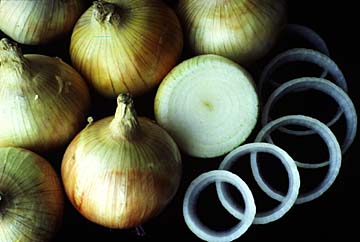
Onions are Texas’ leading vegetable crop. Onion sales bring the state between $70 and $100 million per year and the onion industry has an overall impact of about $350 million per year on the Texas economy. Most of the sweet yellow onions, which people all over the world enjoy because you can “eat them like an apple”, can trace their origin to the Lone Star state.
source: https://aggie-horticulture.tamu.edu/plantanswers/publications/onions/ONIONHIS.html
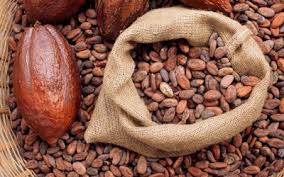
3. Cocoa
Ancient Central American peoples celebrated religious ceremonies with chocolate drinks. 19th century Dutch, British, and Americans drank hot chocolate for breakfast. The staple pantry powder we take for granted today is the perfect convergence of technological advancement, marketing savvy, and human quest for simple food that tastes good. The powder lends well as a recipe ingredient. Think: Cocoa fudge.
source: http://www.foodtimeline.org/foodbeverages.html#cocoa
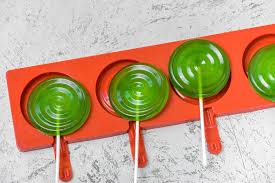
4. Lollipops
Food historians tell us the art of boiling sugar into hard candy is an ancient practice. Such concoctions have always been flavored, colored, and shaped according to popular taste. They have also been used for medicinal purposes (like the cough drops we know today). The word lollipop makes its way into English print in the last quarter of the 18th century, though the meaning is somewhat different from the product we know today. It is interested to note that the insertion of sticks into hard candy traces only to the beginning of the 20th century. One possible explanation? Modern machinery.
source: http://www.foodtimeline.org/foodcandy.html#lollipops
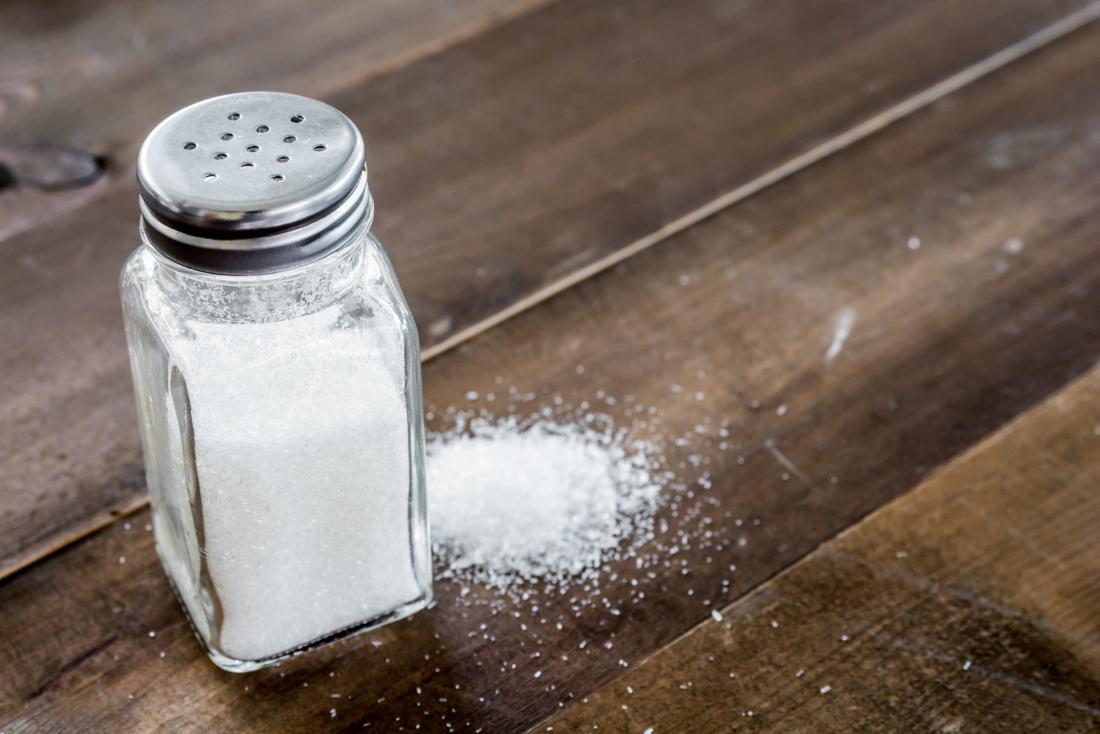
5. Salt
Salt is a naturally occuring compound that is found in many places around the globe. Archaeologists and food historians tell us salt was used at least as early as neolithic times. Iodized salt was introduced in the early 19th century.
 Karel's food blog